Featured

UNDERSTANDING PERFORMANCE AND FUNCTIONAL STRENGTH

The basic goal of every marathon runner or a sprinter is to perform at their very best during any competitive run. The idea of transforming from a recreational runner to a serious athlete is when you start working towards achieving measurable and realistic goals. This could be either to run a specific distance or to improve run time. Any goal can be achieved by improving your running performance.

Whether you are an athlete, coach or a physical therapist understanding how strength training and performance are related is very crucial in sports and rehabilitation field. This also may help you to fine tune your training plan and routine with the goal to perform at your best.

This blog post delves into understanding the scientific basis of performance and its relationship with functional strength and answers why strength training is must in any form of competetive sports.

POWER is everything

Success in sport is linked to good performance. Performance can be determined by the ability of the athlete to exert more POWER in short amount of time known as the power output. Every athlete’s goal is to produce good amount of muscle power which helps to achieve the desired goal.

Power is the product of force and velocity.

POWER= FORCE x VELOCITY

Increase in any of these components of force or velocity increases power output of the athlete.

FORCE- the element of force can be improved by improving the strength of the athlete. Increasing the strength of the muscle often increases the amount of force exerted by the muscle.

VELOCITY- it can be improved by covering more distance in a shorter amount of time.

THE RELATIONSHIP BETWEEEN FORCE AND VELOCITY

The relationship between force and velocity can be described as:
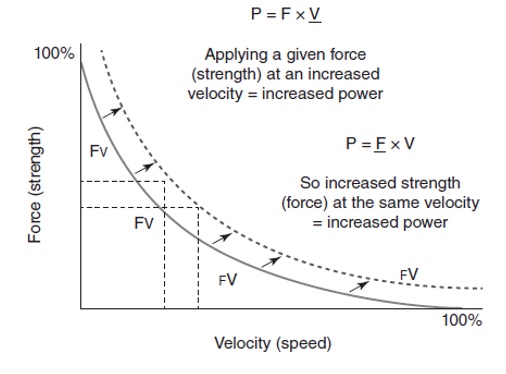
To improve the force-producing component of the curve, multi-muscle, high-mass loading exercises such as squats, deadlifts, and pulling and pushing movements should be employed. Moreover, to develop the velocity-producing components of the curve, the athlete should choose activities that require higher speeds but produce lower force, such as the plyometric and agility exercises.

DEVELOPING FUNCTIONAL STRENGTH

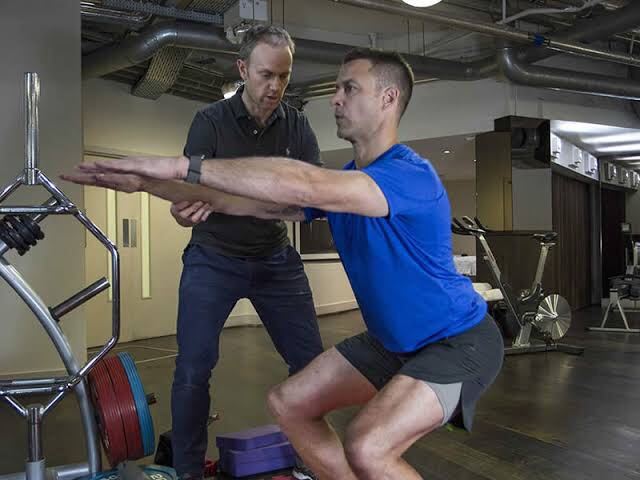
One way by which we often evaluate or compare strength is one that many athletes refer to in conversation: How much you can bench press, squat or deadlift? This question often relates to absolute strength. This is an athlete’s ability to lift an external load for more number of repetitions.

There is also relative strength, which is in relation to the body mass such as in running, jumping and gymnastic activities.

Main principles of functional strength are:

1. Functional strength training over isolated muscle training – Performing single muscle concentric exercise (such as with machines) does result in increasing muscle bulk and strength which is advocated by many body builders and personal trainers. BUT it shouldn’t be done in sports which involve multiple joint movements such as running.

Functional strength training involves multiple plane movement and incorporates more than one joint for effective muscle group synchronisation and postural control.

2.Closed kinetic chain exercises over open kinetic chain– As forces in running are transferred from the ground up through the kinetic chain, a key requirement for a functional exercise is that it should be a closed kinetic chain movement that requires a similar pattern of strength transfer.

Ground-based exercises such as pulls, squats and step-ups, in which the foot is fixed against the ground (an immovable object), as well as exercises in which the hand is fixed, such as pull-ups or press-ups, are known as closed kinetic chain exercises.

3.Build strength from the ground up but challenge the trunk before the extremity– Force transfer from one joint to another should happen from the most lateral (far) joint towards the body. The weakest link where most of the force is lost is places where the lower and upper extremities connect the body. As pelvis and shoulder girdle are designed for more mobility than stability, good amount of force is lost at these joint.

Strengthening the muscles around the joint and trunk can result in effective transfer of force through the kinetic chain.

4.Eccentric muscle action over concentric– Eccentric action is where the force producing muscles lengthen with the external load placed on them.

Research has shown good improvement of muscle strength with eccentric muscle action compared to concentric (muscle shortening action).

FUNCTIONAL STRENGTH BASED EXERCISES

These workouts resemble and mimic our daily functional tasks such as lifting heavy weight from the ground, stair climbing, walking while carrying weights, lifting heavy weight on shoulders.

Top 5 functional based exercises are:-

1. Deadlifts
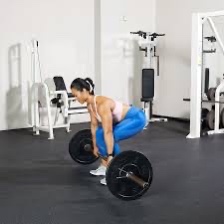
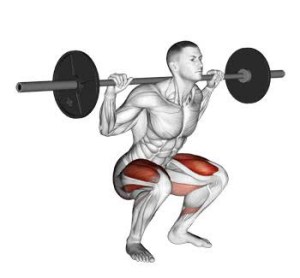
2. Barbell Squats
3. Lunges with weights

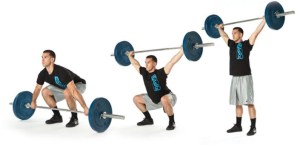
4. Snatch
5. Farmer’s walk

STRENGTH BASED BODY WEIGHT WORKOUTS

Body weight workouts are the basic strength workout drills performed using only your body weights (without any external load).

The Top 5 body weight workouts are:-

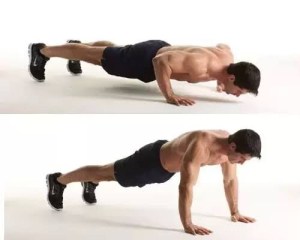
1. Push ups
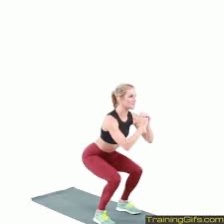
2. Jump squats
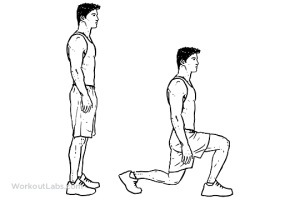
3. Alternate lunges
4. Pull ups

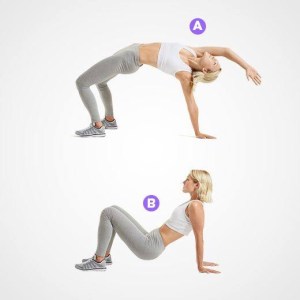
5. Crab reaches
STRENGTH BASED ISOMETRIC EXERCISES

Isometric exercises are those where there is no change in muscle length or size while performing the workout. Only the tension or tone of the muscle changes. Developing isometric muscle strength is important to prevent repetitive stress injury of the muscles and also during recovery from joint injuries where movement is not advised.

5 strength based isometric exercises everyone should practice are:

1. Plank hold

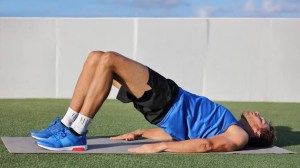
2. Glute bridge
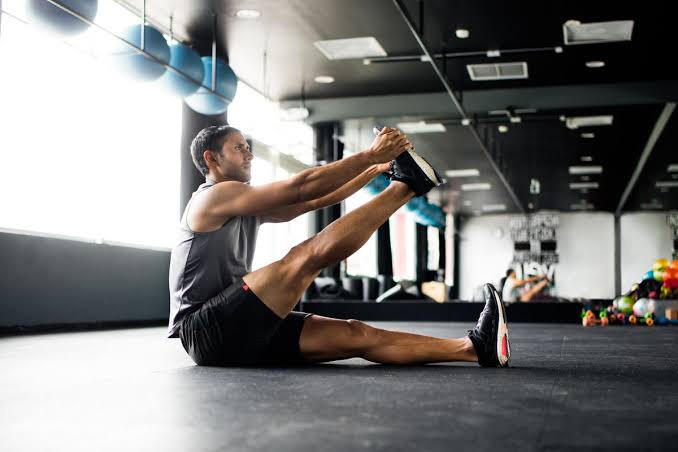
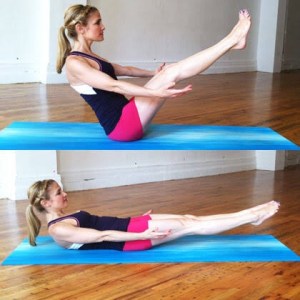
3. Low boat to high boat
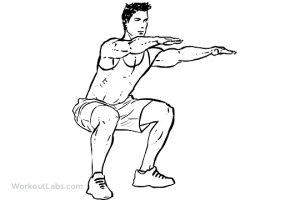
4. Squat hold or wall sit
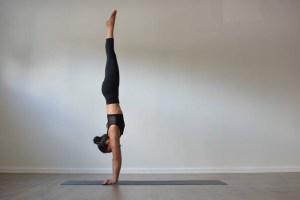
5. Handstand
In conclusion, strength training becomes a vital part for any sports activity which demands performance improvement. Therefore, developing isometric, bodyweight and functional strength becomes as crucial as your daily running training is and should never be underestimated.

Sources:

Athletic movement skill by Clive Brewer

https://pubmed.ncbi.nlm.nih.gov/31125325/

https://www.ncbi.nlm.nih.gov/pmc/articles/PMC3578432/

Featured

THE TRUTH ABOUT POSTURE

We often blame postures we assume throughout the day as the main cause of back pain. A lot of sources on the web and google searches may advocate having a good posture and why bad postures often results in pain.

Now with many people working from home amid this pandemic, we often work relentlessly focussed on our screens ignoring what body position we assume.

Now consider this, when we sit we often are advised about keeping spine straight with shoulder relaxed and elbows supported. And when we try to maintain a good posture by following the rules we often find it exhausting and tiring.

Also, the idea of good and bad posture has become so engrained in our thoughts that we often blame our bad posture for our low back pain and neck issues. Now to do something about it, we often consider purchasing those lumbar and cervical support belts, ergonomic chairs, posture correction belts. Which has become a big business in today’s world. We may also go one step ahead to ergonomically optimise our workplace environment.

What is posture?

Posture is generally explained as relative positions assumed by body parts. A good posture being where there is muscular and skeletal balance that protects the part of the body from injury and progressive deformity. A Bad posture can be explained as any position assumed which causes increased strain on the supporting structures of the body and less efficient balance of the whole structure over its base of support.

Why do we blame bad posture for our back pain?

We often experience observation bias. When we observe something which is far from normal or as an imperfection we often blame it for the cause of our problems. Same happens to a health care professional addressing your back pain issue.

Many studies have shown that no single factor often causes back pain. We fail to observe the underlying process which often results in back pain. And in no time it becomes a wild goose chase.

EVIDENCE Studies have found that there is no difference between postures assumed by healthy and low back pain individuals. Moreover, no difference between lumbar lordosis (lower back curvature), range of motion of lumbar spine and lumbo-pelvic rhythm was found among the two groups. Now if no difference is there between the postures assumed, the question why do some people suffer from low back pain and others don’t remain unanswered. How consistent are lordosis, range of movement and lumbo-pelvic rhythm in people with and without back pain?

Do healthy people always maintain a good posture?

Now, if bad posture was really bad then healthy people must be into a healthy habit of assuming good posture. Contrary to that idea, healthy individuals sit more often in slump or stooped position and often maintain the so called bad posture.
EVIDENCE A study has shown that in 10mins duration of sitting, it was observed that spinal angles were flexed 24degress at lumbar and 12 deg at thoraco-lumbar regions in relation to standing erect in healthy as well as people with low back pain. This example shows that sitting in slump position doesn’t correlate with pain. Hence not all bad posture results in pain. Relationship between Hip Extension Range of Motion and Postural Alignment

What really causes back pain?

The main culprit for back pain is lack of mobility of the spine. Assuming prolonged posture irrespective of good or bad often results in back pain. Lack of mobility causes certain muscles to tighten and others to shorten (known as muscle imbalance). The inactivity also results in weakness of the postural muscles of the back and compromises core stability.

Why using posture correction belts worsen the situation?

Using an external support such as the lumbo-sacral or posture correction belt offloads our postural muscles from performing their basic function (which is to maintain posture). This overtime results in progressive weakness of these muscles and increase in pain. Moreover it also increases our dependency on these belts rather than our postural muscles to provide us support. The only time you might need such corsets is when you have undergone a major trauma of your spine or recovering from spinal surgery.

Why maintaining good posture is still important?

Good posture in sports has been advocated since a long time. While performing strenuous powerful and agile activities such as playing a certain sport, good posture helps in prevention of injury. While lifting a load or performing a certain action the force is transmitted through the kinetic chain. Kinetic chains are the neuromuscular and connective tissue interconnections from head to toes. For efficient transmission of force it’s very important that joints are aligned properly which only happens while assuming a good posture. Change in joint position may affect the transmission of force. As it influences recruitment sequence of the muscles and hence influences the overall movement pattern.

What can be done?

Addressing the underlying cause is very important. Mobility drills helps to improve the mobility of the spine. A planned and supervised flexibility and strengthening programme helps to improve the strength and postural stability of the body while performing any task. A very recent published in Systematic review analysing 45 RCTs (randomised control trials) shows that strength/resistance training along with coordination/stabilisation exercise programmes treat low back pain than any other therapeutic intervention. Exercise interventions for the treatment of chronic low back pain: a systematic review and meta-analysis of randomised controlled trials

This is the reason why McKenzie exercises and Alexander technique have gained so much popularity because when it comes to back pain #movementismedicine

TAKE HOME MESSAGE

  • Posture is not the problem its your MOBILITY.
  • Lumbar corsets and belts can make symptoms worse.
  • Supervised mobility and strength training helps to treat and prevent back pain.
  • Whether you’re on the floor, sitting in at your desk or even standing- always MOVE.

The best position is your next position.

David grey
Featured

RAMP UP YOUR WARM UP ROUTINE

Warming up has become an essential tool for preparation of any exercise training and competitive run. A proper warmup program not only helps to improve your running performance but also prevents running related injury by preparing the body for the run.

Warmup drills are a series of systematic low intensity exercises which prepare you for any exercsie and sporting activity.

RAMP stands for Raise, Activation, Mobilisation and Potentiation

An ideal warmup routine should consists of four key elements:

RAISE

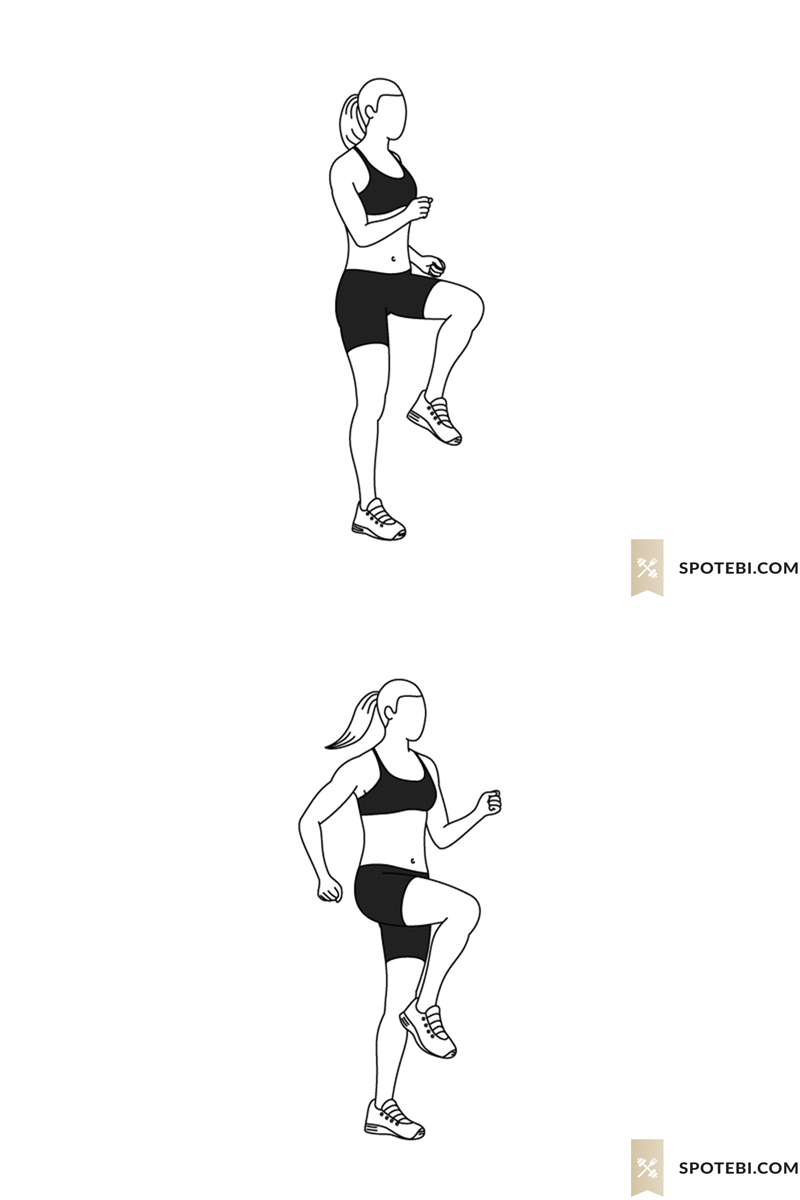
It is about raising your physiological activity in preparation of your run. A slow jog, or fast pace walking may help one to increase blood perfusion to the muscles involved in running such as the gluteus, hams and calf. It also helps to increase heart rate and breathing rate in preparation of the run.

Skips, High knees, Heel kicks are common drills during the RAISE phase.

ACTIVATION

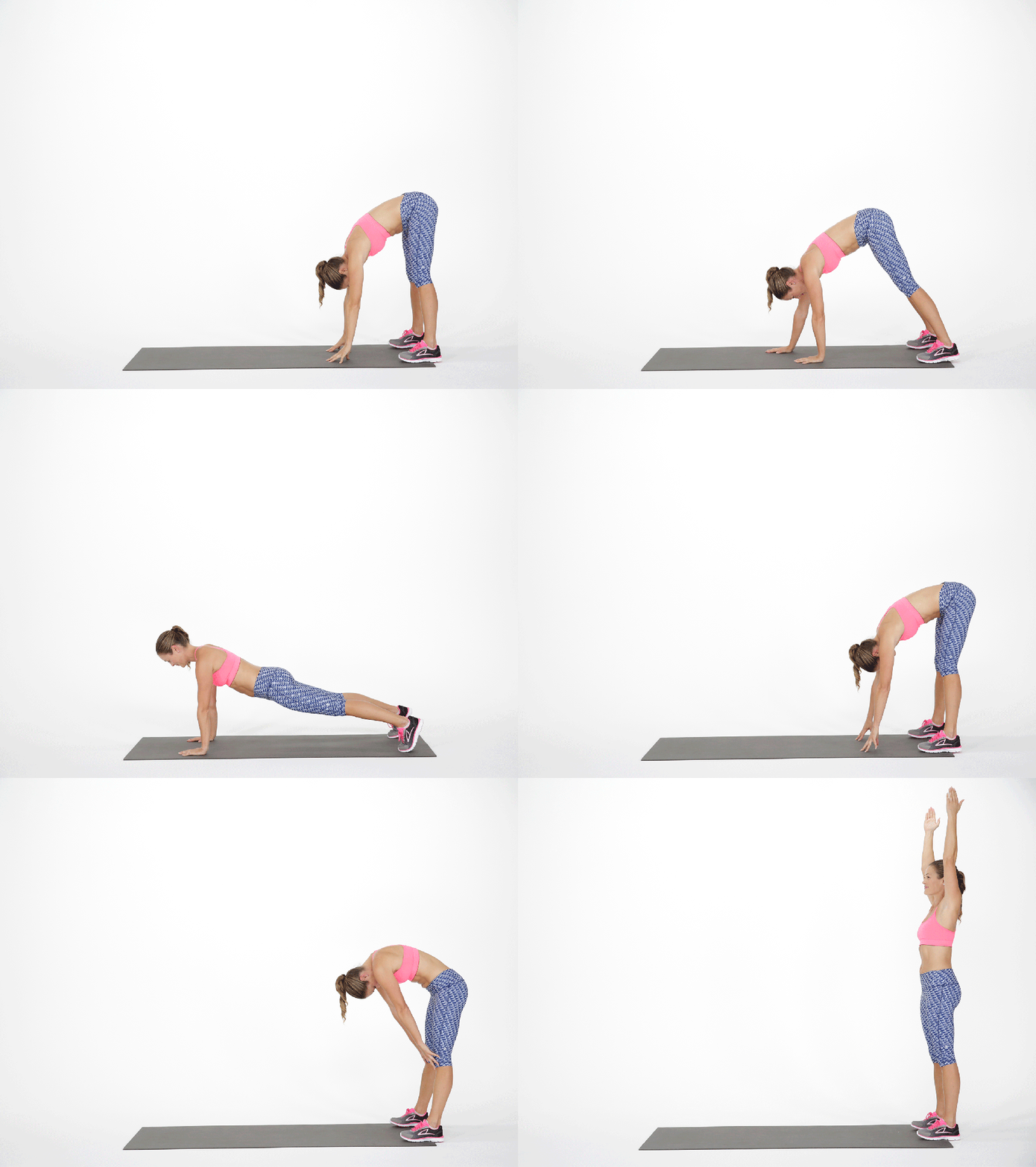
In this phase, specific drills helps to activate key muscles which are involved in running. Activation of gluteus, hams, quads and calf muscles along with the core helps in running efficiency. Exercises include dynamic quadriceps, hamstring and gluteus stretches.

Inchworm exercises for ACTIVATION

MOBILISATION

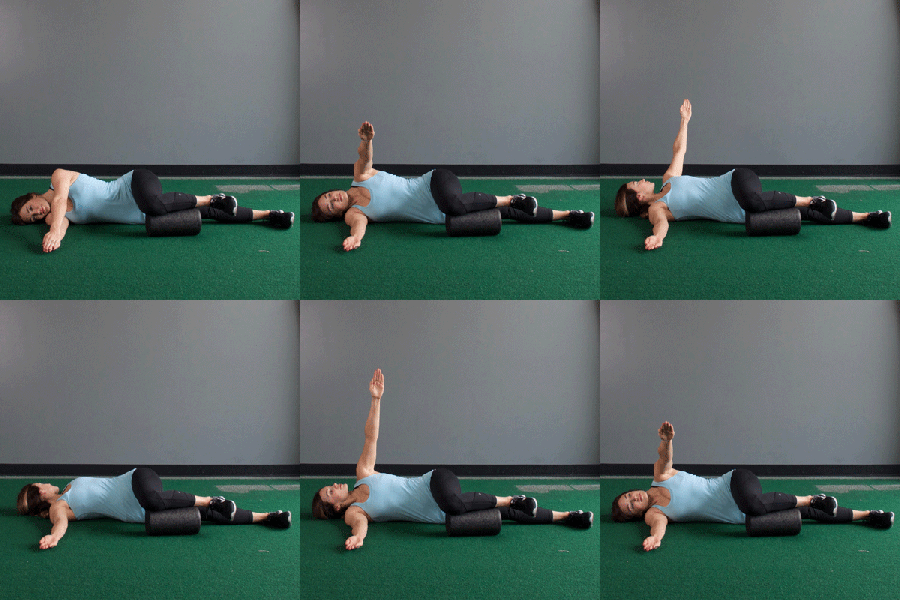
Mobility is the key to all sport performances. Mobility exercise drills helps to maintain joint integrity and ensures its effective function during the run. Ankle and hip are major joints whose primary role is mobility than stability. Ankle and hip mobility drills should be incorporated in the warm up routine. Whereas stability drills for the knee and core should be done.

T-Spine exercise for MOBILISATION phase

POTENTIATION

Involves exercises at sub-maximal intensity. Performed with the goal of maximum recruitment of muscles fibers so when transition happens from warm up to running more fibers are acting producing good amount of force. Sprinting and plyos are examples for this phase.

Pushups to sprint running during POTENTIATION

In conclusion, your 5-10mins of warmup routine should incorporate exercises from these four components. Keep these components in mind the next time you hit the road for a good run.

Warm up drill videos:

  1. Crossfit warmup drills
  2. RAMP drill for soccer
  3. Galaxy academy warmup drill

Sources:

Warm up streategies for sports and exercise: Mechanism and Applications- Courtney J McGowan et al. Sports Med. 2015 Nov.

Jeffreys, Ian. (2007). Jeffreys I (2007) Warm-up revisited: The ramp method of optimizing warm-ups. Professional Strength and Conditioning. (6) 12-18. Professional Strength and Conditioning. 12-18.

Continue reading “RAMP UP YOUR WARM UP ROUTINE”
Featured

RUNNERS FROM THE ANIMAL KINGDOM: And What We Can Learn From Them

Animals are natural born runners. Most animals rely on their ability to run for survival . Some use it for hunting their preys, while others to evade from their predators.

Whether its speed or the distance, every one of these majestic creatures have certain special characteristics which makes them impressive runners. Lets look into these physiological elements which make them special and what inspiration we can draw from them.

1. Camels- Body tempreature regulation

Camels are also used for competitive racing events beacuse of their ability to run faster and longer.

• Mammals with long legs, big lipped snout and humped back are mostly found in desert.

• Events such as the National camel marathon are held in Dubai every year where camels race for almost 25km distance.

• Camels’ hump consists of stored fat, which they can metabolize when food and water is scarce.

• Filling up on water, when it’s available, is very important for camels. They can drink 30 gallons (113 liters) of water in just 13 minutes. Their bodies rehydrate faster than any other mammal.

• Hydration helps them to regulate body temperature against the dry wind and hot desert.

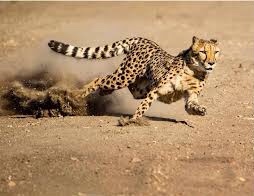
2. Cheetah- Flexibility

Known for their impressive speed making them the fastest land animal on earth.

• Looks like a leopard but distinct teardrop striped shapes around the nose and eyes.

• Flexible spine, enlarged heart and lungs and body aerodynamics helps them exert brute force achieving blazing speed of 70mph.

• Spine acts as a spring transmiting force to their hind legs for achieving speed.

• Too hot and too tired to run more, a cheetah is so hot and winded at the end of a chase, it nears the point at which brain damage could occur if not slowed down.

3. Pronghorn antelope- Aerobic capacity

They are the fastest land animal in the western hemisphere. Only second largest to cheetah in terms of speed

• Commonly known as the American antelope are found in western and central north America.

• They have distinct white fur around their bellies and throats.

• Running skill are utilised mainly for predator evasion. And second largest to cheetah in terms of speed.

• Can run upto 35-–45 mph and can sustain high speed longer than cheetah.

• Large sized heart and lungs helps in efficient oxygen delivery to the working muscles and extremely light bony structure.

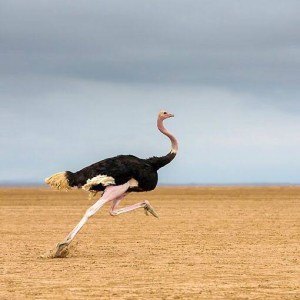
4. Ostrich- Agility

They also have good endurance ability to jog at 30mph (48km/hr) for as long as half an hour.

• The ostrich is the tallest and heaviest species of all living birds. Although its bulky body (65-115kgs) means that flying is out of question, the ostrich has adapted to life on the ground with impressive agility.

• Fastest bipedal animal which can sprint at speeds of upto 45mph (72 km/hr). They can peak to 60mph (96.6 km/h) for short distance with 12 foot strides.

• They have less muscle mass in the lower extremity and made off mostly strong tendons and ligaments

• It provides birds with a large residual volume, allowing them to breathe much more slowly and deeply than a mammal of the same body mass.

5. Bar headed goose –Acclimatisation

• Breeds in central asia in colonies of thousand near mountain ranges and migrate during winter in indian peninsular region of south asia.

These birds can be seen over the Himalayas flying at high altitudes

• Flight at high altitudes is metabolically costly because birds need to flap their wings harder in thin air to generate lift.

• They are able to migrate to many kms crossing high altitude mountain ranges without any altitude acclimatisation.

• Flying demands a high rate of oxygen consumption but oxygen availability at these altitudes are only 10% of the sea level.

• They are more tolerant to hypoxia than any other mammals. They have 50% larger hearts than any other mammals of similar size.

• Moreover, a highly developed respiratory system ensures greater cross current gas exchange and resistance to pulmonary oedema (a major symptom of acute altitude sickness in humans).

6. Horses (Slow twitch muscles)

The average speed at which the thoroughbred gallops is around 45 kmph.

• Selective horses such as the thoroughbreds are used in competitive racing cause of their blazing speed.

• Large number of slow twitch muscle fibers are found in their lower legs which are fatigue resistant.

• They also have large size hearts and lungs which improves circulation of oxygen rich blood throughout their body improving their cardiac output.

Where do we stand

Like the camels, we too have effective body temperature regulation through developed sweat glands which helps us to run longer without overheating.

However, proper hydration is very important pre, during and post-running. It ensures body temperature to stay at minimum while covering longer distances. Running in dehydrated state leads to heat exhaustion and sometimes could be fatal.

Unlike cheetah, we are built for running longer distances. Flexible spine and strong lower body is very vital during sprint and long distance running. Flexibility improves running performance, it also helps in preventing injury and proper recovery post-running. Stretching exercises should be done regularly to maintain flexibility.

How efficiently one can run long distance depends largely on the person’s aerobic capacity. A runner with good aerobic capacity can cover longer distances at short period of time without getting tired. Consistent training routine ensures good aerobic capacity.

Agility is another skill which should be worked on. To be agile is the ability to move or change direction quickly. Agility is influenced by perception to a stimulus and decision making process. Which can improved only with agility training.

Unlike the barheaded geese, running at high altitude is a demanding task and body takes weeks to acclimatise to the changing altitude. How these birds so easily adapt to the altitude changes is still under research. A lot can be learnt from understanding their physiology of adaptation.

Like the thoroughbreds, proper training ensures adaptations to the cardio respiratory system which ensures efficient oxygen delivery to the muscles. Long distance running helps to ensure development of slow twitch muscle fibers of the leg muscles. Slow twitch fibres utilise more oxygen and are fatigue resistant.

Which other animals do you think should have made it to the list??

Please comment below.


Sources:

  • http://www.sciencing.com
  • Graham R. Scott, Lucy A. Hawkes, […], and William K. Milsom: How are bar headed geese fly over the Himalayas.
  • thenational.ae
  • Image courtesy: Pinterest
Featured

THE SCIENCE BEHIND RUNNING INJURY

As a physical therapist of sports injury management and a long distance runner myself, I have looked into several research based evidences related to running injuries. If you are suffering from running related injuries just read your way through the article to understand what causes such injuries and how to overcome them.

Running Is Safe

Running is a pretty safe form of aerobic exercise compared to other sporting activities. But sometimes it comes with a cost of injuries which affects running performance or may put you on bedrest for weeks. If it becomes a chronic problem, then it does flare up every-time you go out for a run. Chronicity means any injury whose symptoms lasts more than a weeks time.

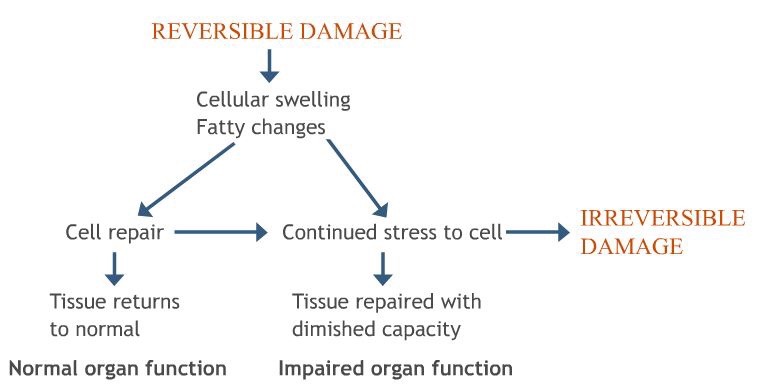
Every tissue in the body has a tolerance towards the amount of stress which can be placed on them.

A large amount of stress placed on the tissue or small amount of undue stress placed repetitively without relaxation often results in cellular breakdown (micro-trauma). Our body naturally tries to repair this cellular breakdown which creates a beautiful balance between breakdown and repair. Various external and internal factors disturbs this balance which results in injury. Moreover, if proper recovery doesn’t happen it often results in diminished tissue function ultimately affecting running performance.

Achilles tendonpathy, shin splint, plantar fasciitis and patellofemoral pain syndrome are most common injuries among long distance runners.

No injury happens abruptly in nature.

Several factors come into play when it comes to running injuries. Some are external (related to running environment) while many are internal factors ( body composition and anatomy). Poor running mechanics, overtraining, improper training routine or nutritional deficiencies are certain external factors associated with running related injuries. Other factors such as BMI, certain anatomic changes, past injury are internal elements responsible.

Who can help??

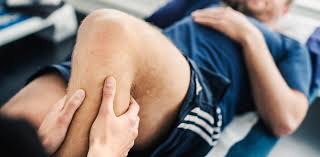
The sports physiotherapist analysing movement pattern of an athelete

Running injuries are not as complex as it seems. A proper assesment and consultation by a sports physio can help one to resolve such issues. A physio can address the elements responsible for causing injury and hampering the recovery process through proper functional assessment and rehabilitation. An early intervention towards better recovery helps in early return to your favourite sport. Sports medicine doctor or orthopedic specialists can also help in issues related to such injuries.

CRACKING THE HYPERTENSION GUIDELINES CODE- What Everyone Ought To Know About The AHA Hypertension Guidelines.

During my post-grad studies I used to mindlessly study and memorize many guidelines and recommendations on various conditions provided by many international associations. It used to form the basis for writing quality answers in exams and eventually formed the basis for management of many conditions during clinical practice. We often get trapped into learning conceptual facts and figures that it does affect our planning and approach to any patient care and often failing to understand how such associations come up with the guidelines and recommendations on assessment and treatment of disease.


Guidelines are important.
They usually form the basis of treatment and improve the quality of care. (Although the patients, doctor and hospitals might view the term “quality” differently). However, blindly following any diagnosis or treatment guidelines without considering the fact that patients with different history and circumstances requires tailored care is the difference between good doctor and a great doctor.
Through this Blog post I try to explain how consensus on diagnosis and treatment guidelines are based. And also how market forces can influence such decision making process.

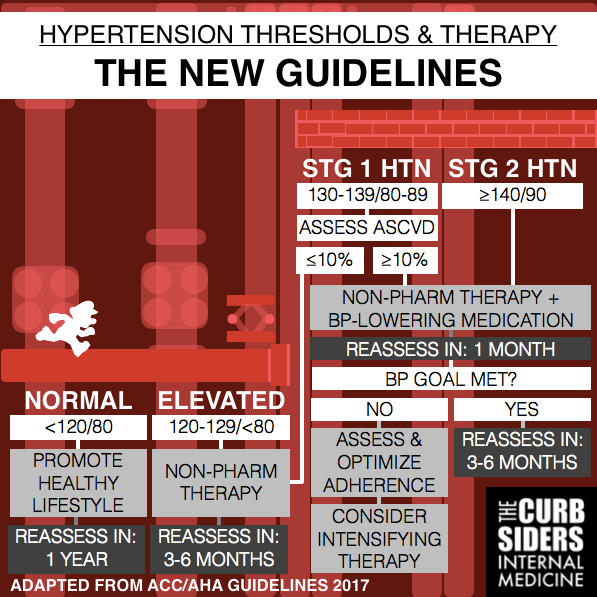
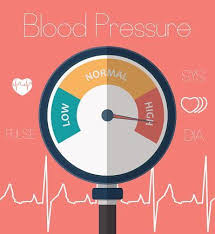
Blood pressure categories according to the new guidelines.
• Normal: Less than 120/80 mm Hg;
• Elevated: Systolic between 120-129 and diastolic less than 80;
• Stage 1: Systolic between 130-139 or diastolic between 80-89;
• Stage 2: Systolic at least 140 or diastolic at least 90 mm Hg;
• Hypertensive crisis: Systolic over 180 and/or diastolic over 120, with patients needing prompt changes in medication if there are no other indications of problems, or immediate hospitalization if there are signs of organ damage.

The new guidelines removed pre-hypertension category and categorizing patients as having elevated or high blood pressure. While previous guidelines classified 140/90 mm Hg as Stage 1 hypertension, this level is classified as Stage 2 hypertension under the new guidelines.
In a subtle way, the guidelines resulted in increase in number of people being categorised as hypertensive of which many would require treatment. This eventually placed an increased demand for medication and growth in sale of hypertensive medications as physicians started prescribing drugs for treatment of hypertension to larger population.
According to a study published on May 23, in JAMA Cardiology estimates about 31million increase in diagnosed cases of hypertension alone in US as the prevalence rate increased to 45.4% (105 million adults) hypertensive cases according to the new 2017 guidelines when compared to previous 32% (74.1 million) according to the published guidelines. Off this about 11 millions cases qualified for antihypertensive treatment.
The Global Antihypertensive Drugs Market is now valued at approximately USD 23.2 million in 2019 and is anticipated to grow with a healthy growth rate of more than 3.1% over the forecast period 2020-2027 as the new guidelines are in force.


Raised concerns about the new guidelines
The current guidelines relied heavily on Systolic Blood Pressure Intervention Trial (SPRINT) which included 9361 participants with a systolic BP of 130 mm Hg or higher and an increased Cardiovascular risk randomly assigned to a systolic BP target of <120 mm Hg (intensive treatment) or a target of <140 mm Hg (standard treatment). Findings indicated that patients in the intensive treatment group had a 25% risk reduction in the primary composite end point of major CV events (EG: Myocardial infarction, non–myocardial infarction acute coronary syndrome, stroke, acute decompensated heart failure and CV disease death) and a 27% risk reduction in mortality compared with those who received standard treatment.
On critical analysis of the SPRINT trial it has been found that the trial included participants with significantly increased cardiovascular risk which can’t be generalized to lower risk individuals. If someone is having BP of 130/80 with no other CV risk or family history will now be considered as hypertensive according to the new guidelines and will be put on anti-hypertensive medications which can be viewed as a low value of healthcare by unnecessary labelling and treating a large segment of population for hypertension.
The trial also used programmable automated oscillometric devices to measure BP. Nonetheless, there is confusion in recent publications regarding whether the BP measurements at SPRINT clinics were unattended.
Also for different age groups there are abnormal elevated BP levels as the blood vessels undergo the normal ageing process even for people who have heart healthy habits. The walls of the arteries become thicker and the elasticity between the walls gets lost. Eventually the vessels become stiffer and less resilient. Generalizing blood pressure to be less than 130/80 for all age groups is not feasible. For the same reason the European society of hypertension and European society of cardiology (ESH/ESC) guidelines recommend that systolic BP should be lowered to:-
(1) <140 mm Hg, but not to <130 mm Hg, in patients aged ≥65 years and
(2) <130 mm Hg, but not below 120 mm Hg in younger patients (<65 years; I A recommendation).
Also, the latest European guidelines retain the previous definition of hypertension (i.e. BP >140/90 mm Hg) whereas the American guidelines lowered the threshold to define hypertension to <130/80 mm Hg. It has been also found that the recommendation on lowering DBP from previous 90 to less than 80 was based on expert opinion and not on trial data. John William McEvoy, who is professor of preventive cardiology at the National University of Ireland, Galway, added: “Our data suggest there is no harm of having a diastolic pressure above 80 mmHg if the systolic is below 130 mmHg and that the new 80 mmHg diastolic threshold means that 12 million adults in the US will be labeled as hypertensive but will not benefit from the diagnosis and may be given unnecessary treatment.”
In Conclusion, with the advancement in technology and the expansion of treatment options and modalities, the field of clinical care guidelines is constantly evolving. The greatest danger of flawed clinical guidelines is to patients. Recommendations that do not take due account of the evidence can result in ineffective or harmful practices. Guidelines that are inflexible can harm by leaving insufficient room for clinicians to tailor care to patients’ personal circumstances and medical history. Although clinical care guidelines are only recommendations and the decision to follow a specific set of guidelines by a health-care provider should be based on the local context of need, availability and affordability, especially in country such as India.

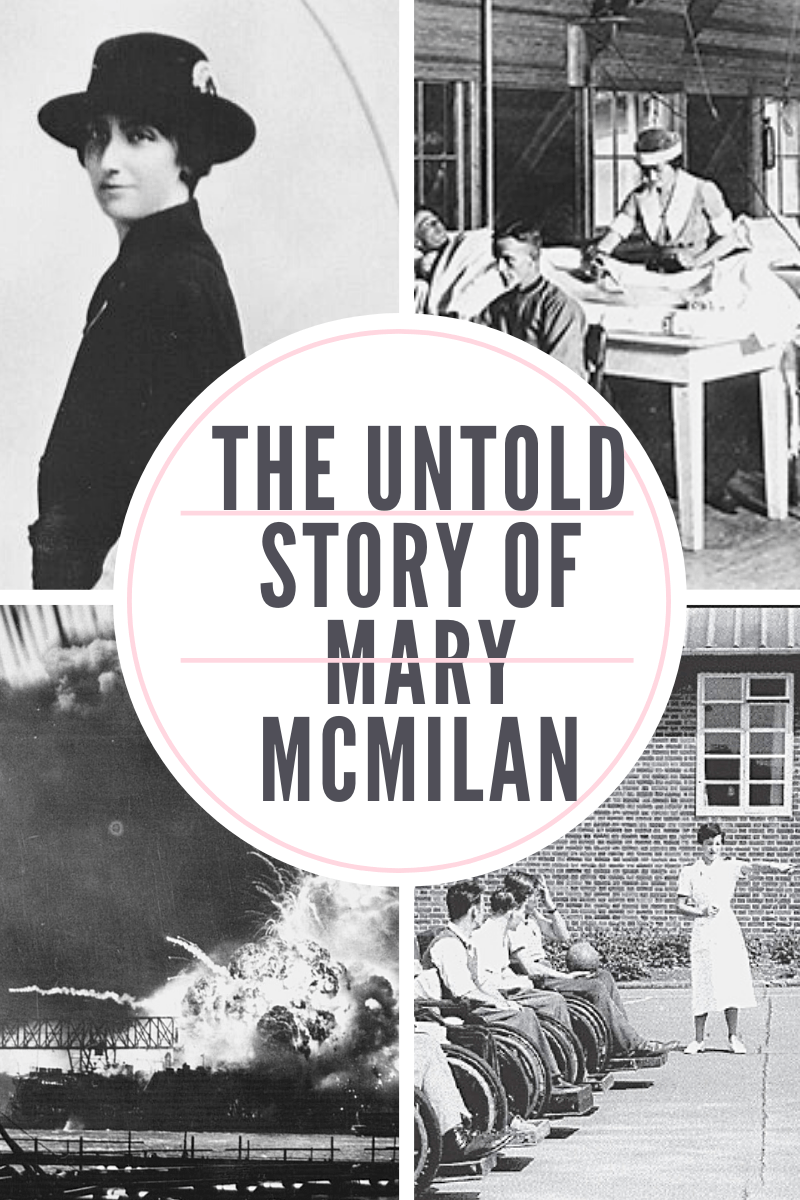
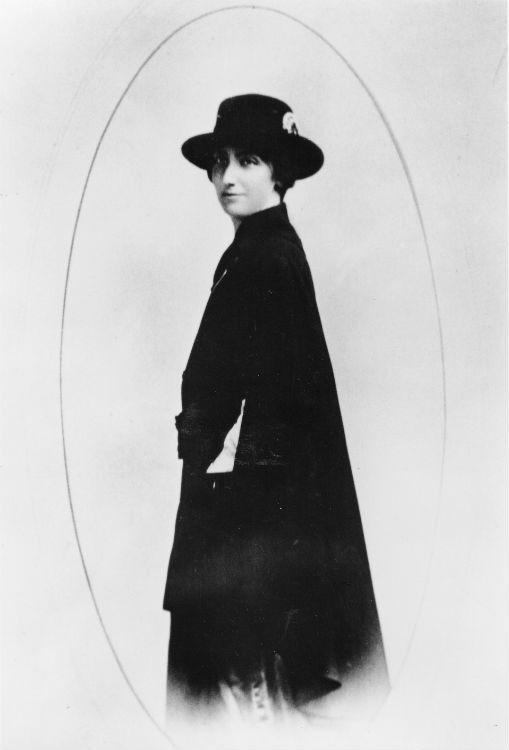
THE UNTOLD STORY OF MARY MCMILAN- the first Physiotherapist

One of the most inspiring stories lost in the pages of history is about Mary McMillan. She is credited to be the very first physical therapist and was the founder of the Association of American Women Physical Therapy (AWPT), now known as the American Physical Therapy Association (APTA).

MARY McMilan
1880- 1959
“Mother of Physical Therapy”

Early life and Education

She was born in the year 1880, Hyde park, Massechuetts. After her basic education she studied in College of Physical Culture, Liverpool where she took up a two year course in physical education.

With her interest towards healthcare and medicine she visited London to study further about neuroanatomy, neurology and psychology.

The Journey to US.

During the outbreak of the First World War, she applied for the Voluntary Aid detachment (VAD) unit in UK but failed the medical examination.

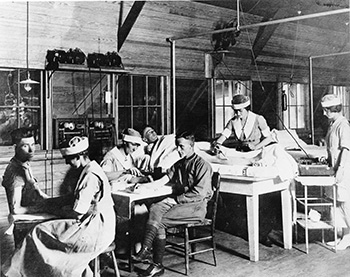
She later decided to travel to Boston. With her knowledge in physical education and medicine, she was sworn in to work at the division of Special Hospitals and Physical Reconstruction which was created by the US army for treatment of soldiers during World war 1.

She realised the importance of limb prosthesis and rehabilitation after an increase in disability in war survivors. She also developed expertise in hydrotherapy and physical exercises for rehabilitation of the wounded soldiers.

First Physical Therapy Department

She was later transferred to Walter Reed General Hospital in Washington DC where she established the first Physical Therapy Department. That was the beginning of physical therapy in 1917. She also trained around 200 reconstruction aides (now known as physical therapists) to assist with the war efforts at the Reed college at Portland Oregon.

Post-War

When the war ended, the reconstruction aide program at Walter Reed General hospital was about to dismantle. Mary McMillan and her colleagues wanted to build on the momentum of war, to preserve the resources and expertise gained during the process. Therefore, a letter was sent to almost 800 reconstruction aides both military and non-military to form a professional therapeutic association.

The formation of APTA

Finally the charter for APTAW was formed with Mary as her first elected president. The name was later changed to American Physical Therapy Association (APTA) to encourage membership of Men in the association.

The association worked independently without the direct supervision of physicians.

Founders also came up with the physical therapy journal to encourage more research in PT field. The first research paper was published in the PT Review, in March 1921.

The Journey to China

After WWI, Mary was offered to work in Peking Union Medical College in China where she took charge of the Department of Physical Therapy.

The Peking Union Medical College Building in China

There she got rid of obsolete apparatus at the gymnasium and recruited individuals which could match upto her standards. She also went ahead to setup scholarships to encourage young individuals to apply for the profession.

In November 1,1941, all Americans where urged to evacuate Peking, China on the verge of rising tension towards war. On her way back to the states, Mary was left in Manila, Phillipines with other 13000 americans with no chance of sailing before December 20, 1941.

Her role during World war 2

On December 7th, Pearl harbor was bombed. She volunteered to offer her services in the Army Hospital at Manila to assist the wounded soldiers on arrival.

The Pearl Harbour bombing was suprised military strike by Japanese army on the US naval base which was the immediate cause of US entry into WW II

On christmas eve, the Japanese captured Manila. Knowing that she will be taken as a POW by the Japanese army, she drove a truck with 3 other women to the Army hospital to collect drugs, instruments and other medical equipments which could help her to service the wounded in the Prisoner Internment camp at Santo Tomas.

Male internees lost about 24kgs during the 37 months of stay in the camp before their liberation and many were near death due to lack of food.

Repatriation to US.

The photos shows several Santo tomas internment camp prisoners and internees cheering their release after liberation (1945)

Mary was repatriated back to US in 1943 as the liberation of prisoners and their families had started once the US army gained control over the camp. She continued to be a source of inspiration and motivation and helped to setup the World Confederation of Physical Therapy (WCPT) until her death in 1959.

WCPT was founded in 1951 by 11 national physiotherapy associations.

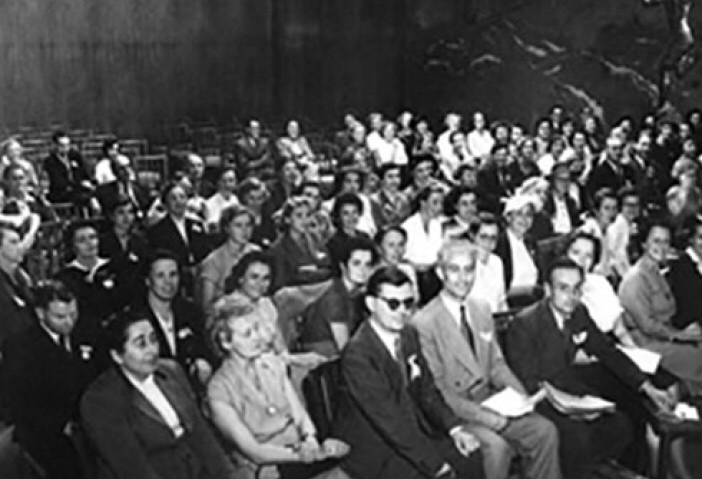
Though there were many independent practices in the PT field all around the globe during that era. The collective conscinece among the physiotherapists grew with the efforts of Mary Mcmilan who trained professionals across three continents and didn’t let the profession die post war.

Excerpt from Mary McMillan’s 1946 speech, “Physical Therapy from the Embryo on Three Continents”. © 1946 American Physical Therapy Association

Her relentless dedication and commitment towards helping people through physical therapy in the times of adversity still remains a source of inspiration among the physiotherapy community.

Sources

DOPAMINE DETOX- Trick your brain to improve your performance.

Has it ever crossed your mind, why does certain activities makes us lethargic and bored while other activities are easy and more desirable.

When it comes to using social media or binge- watching our favourite show on Netflix we are able to do it for hours. On the other hand activities like reading or exercising just for 20-30 mins becomes a daunting task.

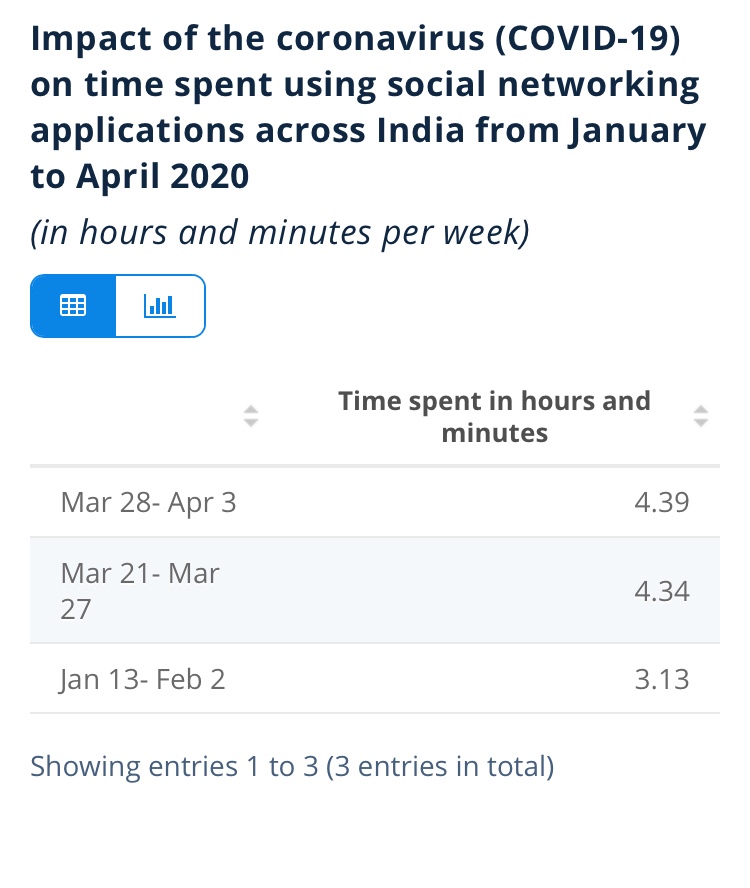
A study-reported 120% increase of mobile phone usage by Indians during lockdown

Many might argue that watching or browsing are passive activities while exercising or reading requires good amount of effort.

Its not our habits, its our neurophysiology.

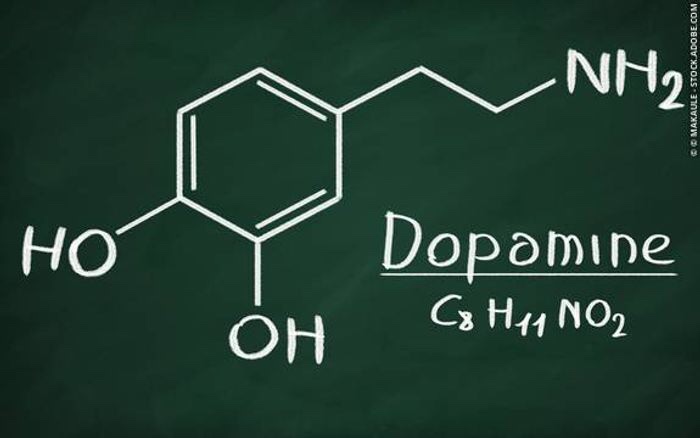
Dopamine is a Neuro-chemical which is released during most activities. Certain activities which give immediate reward results in surge of dopamine release whereas activities which gives delayed rewards often releases less dopamine. Therefore, Dopamine becomes a chemical which determines the desire for performing any task.

A typical example can be desire towards junk food over healthy eating options. We understand the fact that fast food makes us obese and unhealthy but still we desire for it as they enhance our taste and smell receptors releasing a good amount of dopamine which lights up the pleasure centres of our brain. Same phenomenon happens during smoking, taking drugs or drinking alcohol.

Another example can be obsessing over our social media accounts. Certain social media activities such as follow requests or even unexpected DMs gives us a dopamine surge as our brain releases more dopamine every time we get a notification. Ultimately, we keep browsing our phones for hours drenching our brain in a pool of dopamine.

A study reported increase in social media usage among Indians during COVID19 lockdown.

How does it even affect us?

A surge in dopamine over a period of time increases our threshold and it reaches a new normal state as our brain adapts to the increased dopamine levels (Neurophysiological Homeostasis). This increases our tolerance for more dopamine. This often leads to less desire towards certain task as it doesn’t meet the optimum dopamine threshold. Therefore, activities such as exercising or studying doesn’t interest us anymore even if we want to do it.

Overtime, this leads to mental exhaustion (or mental fatigue), addiction or even depression.

What is Dopamine detox ?

Dopamine detox is a regime where a certain day in a week, one should embrace boredom.

Limit the activities which increases surge in dopamine such as:

  • Internet and mobile use
  • Using Computer
  • Watching TV
  • Gaming
  • Watching Porn
  • Coffee or tea
  • Eating stimulating food
  • Chatting with friends

Instead encourage activities such as:

  • Eating bland healthy food
  • Exercising
  • Meditation
  • Journal writing
  • Reading a book or novel

This might feel like a difficult task intially as you may feel bored, languorous and lazy but as you keep doing it every week, it decreases the dopamine tolerance and helps the dopa receptors of the brain to recover. Overtime, activities such as reading or exercising doesn’t become hard to perform and one is able to focus more as other brain stimulating activities are limited.

Who should do it?

Anyone experiencing signs of mental exhaustion or burnout should practice detox more often. Students or athletes specially the young growing population should be in a habit of abstaining from such overstimulating brain habits. For people who show clinical signs of mental disorder or depression should get psychological help from experts before practicing this.

These 7 signs of mental exhaustion or burnout has become common among people and should be tackled effectively.

How it should be done?

There is no one size fits all while practicing this detox regime. Practice can be done on a daily basis -where you allow few hours of low dopamine activity followed by few minutes of high dopamine activity. It can be done on a weekly basis too. One should try to follow it strictly but not perfectly.

In summary, Dopamine detox is a practical tool especially when you are preparing for an exam or any competitive sporting event. The same reason why many athletes limit or abstain from social media activity and mobile usage during training to perform and focus better. As Dopamine detox helps to build your concentration over activities which matter, it ultimately improves your performance.

Depending on what they are, our habits will either make us or break us. We become what we repeatedly do.

Sean Covey
Continue reading “DOPAMINE DETOX- Trick your brain to improve your performance.”
Design a site like this with WordPress.com
Get started